How Australia's Urban Living Embraces Energy-Efficient Home Innovations
Urban Living Trends
Energy-Efficient Architecture
As a fellow advocate for green living in Melbourne, I understand the importance of energy-efficient architecture in urban environments. Imagine walking through the eco-friendly initiatives at Federation Square and feeling inspired by the sustainable designs. These innovations aim to harmonize with nature while also lowering energy consumption.
Smart Home Systems
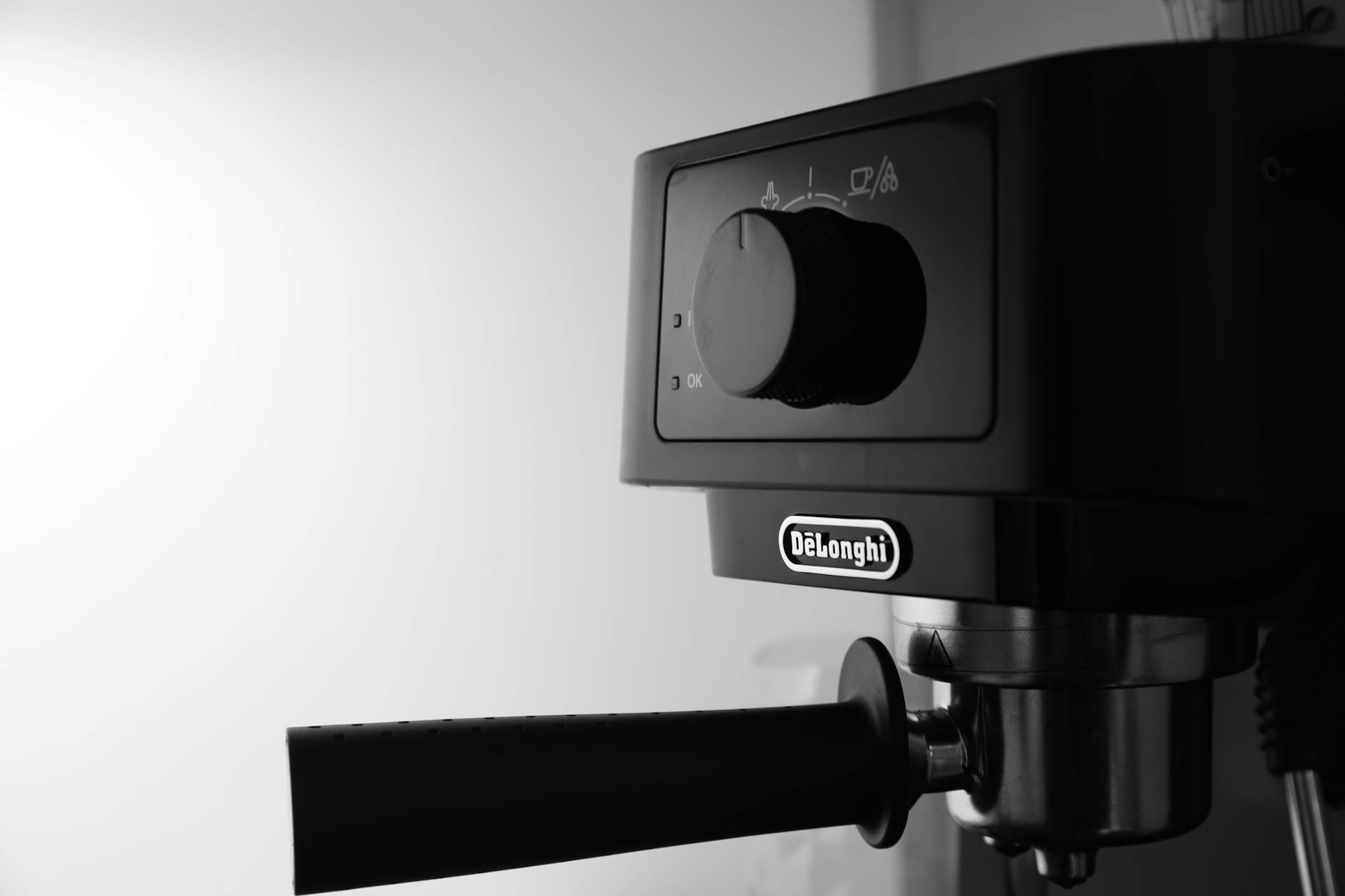
Incorporating smart home systems can complement your energy-efficient design, allowing you to control appliances like your TV or coffee machines with minimal energy waste. These systems often come with mobile applications, providing the convenience of adjusting settings right from your smartphone.
Eco-Friendly Materials
Choosing eco-friendly materials for your home improvements not only reduces environmental impact but also enhances durability. Think of sustainable living workshops at Southbank and how integrating natural elements into your design can create a more inviting and livable space.
For individuals like you, engaging with sustainable living doesn't need to be a complex task. By comparing the energy efficiency of various appliances like dishwashers or exploring eco-friendly building materials, you can make informed decisions that align with both your creative and environmental goals.
Innovative Home Technologies
Energy-Saving Appliances
Integrating energy-saving appliances into your home not only transforms your living space but also significantly reduces utility bills. Embracing such innovations in Melbourne, where eco-friendly initiatives at Federation Square are all the rage, is a testament to the city's commitment to sustainable living. Switching to a zip tap system, for instance, can be both a stylish and energy-efficient choice. It provides instant boiling or chilled water, cutting down on the need to waste energy by boiling a kettle every time.
Another appliance that deserves attention is the clothes dryer. While traditionally considered a high-energy consumer, newer models feature heat pump technology that drastically reduces electricity usage. With energy efficiency comparisons available online, it's easier than ever to choose a model that meets the highest environmental standards.
When choosing appliances, look for those with high energy star ratings, and compare their efficiency with other models. Not only does this make a difference in the environment, but it also complements the aesthetic renovations typical in overhauled urban homes. Many models come in sleek designs, perfectly merging functionality with the vibrant interior styles you might admire from your favourite Instagram inspirations.
Implementing these technologies empowers you to align your lifestyle with Melbourne's ethos of sustainability. With the right selections, you'll embark on a path that's as beneficial for your pocket as it is for the planet.
Enhancing Aesthetic Appeal
Creating an aesthetically pleasing and eco-friendly living environment combines both functionality and beauty. In Melbourne, where sustainable living is championed, everyday choices in home appliances, like opting for air fryers or energy-efficient dryers, can significantly impact the aesthetics and environmental footprint of your home. Imagine integrating sleek, compact appliances that not only complement your decor but also align with your commitment to a greener lifestyle—making everyday living both stylish and efficient.
Choosing the right materials and colours can elevate the room's ambiance while promoting sustainability:
-
Natural Materials: Incorporate bamboo or reclaimed wood, which enhance the warm, organic feel of your spaces.
-
Earth Tones: Use neutral palettes, like soft greens and muted browns, to foster a calming environment.
Consider technology that integrates seamlessly with your design, such as concealed charging stations or wireless speakers that maintain the room's visual harmony.
Incorporating greenery by adding plants or vertical gardens can further enhance the aesthetic, promoting well-being while reinforcing your sustainable ethos. A visit to the Melbourne Royal Botanic Gardens could inspire ideas for such integrations.
By thoughtfully selecting energy-efficient appliances and decorative elements, you embrace eco-friendly practices that reflect a commitment to sustainable living—much like the eco-friendly initiatives found at Federation Square. This integrated approach makes every aspect of your home not only a celebration of personal style but also a testament to informed, conscious living.
Benefits of Energy Efficiency
Lower Environmental Impact
I've been thinking a lot about how our home appliances affect the environment, especially in a bustling city like Melbourne. For example, opting for energy-efficient appliances like bar fridges and induction cooktops can significantly cut down on your carbon footprint. Did you know that these options generally consume less energy, reducing greenhouse gas emissions? It's like taking a little bit of the eco-friendly spirit from the "eco-friendly initiatives at Federation Square" and bringing it right into your kitchen. Making these choices helps us maintain the natural beauty which resonates with our love for local treasures like the Melbourne Royal Botanic Gardens.
Increased Home Comfort
You wouldn’t believe how much extra comfort you can gain by going energy-efficient. Picture this: your home stays cosy in winter and refreshingly cool in summer without skyrocketing utility bills. Energy-efficient appliances ensure a steady and balanced temperature, creating a space where creativity flows effortlessly. Whether you're enjoying some downtime or just looking for a peaceful corner for designing sessions, energy-efficient options can make your living space all the more enjoyable.
Boosting Property Value
For those of us tapping into the property market, energy-efficient choices can also boost property value. It’s not just a trendy move but a smart investment. Many potential homebuyers are looking for modern amenities that promise long-term savings and sustainability. Incorporating appliances that align with energy efficiency comparisons could make your property stand out amongst others. Ensuring that your home isn't only visually appealing but also cost-effective might turn it into an Urban Oasis for a savvy buyer.
Common Mistakes
Overlooking Ventilation Needs
Strangely enough, despite Melbourne's modern urban flair, many still overlook the importance of proper ventilation in their energy-efficient homes. Poor ventilation can lead to your home consuming more energy than necessary, affecting your comfort and air quality. Think of it as essential as a stroll through the Melbourne Royal Botanic Gardens—natural and refreshing. Understand the mechanics behind energy-efficient ventilation systems and how they can complement the architectural designs of urban homes. Pay attention to the placement of windows and vents to maximize airflow while reducing reliance on artificial cooling systems.
Ignoring Lighting Efficiency
Lighting efficiency is often ignored in the energy-saving scene. It's easy to continue with the sort of lighting that feels ingrained in our lives, but don't underestimate the impact on your power bills. It’s like missing out on the stunning night illuminations at eco-friendly initiatives at Federation Square. Consider swapping traditional bulbs for LED lighting, which not only saves energy but also lasts longer. Understand the energy efficiency comparisons between different lighting options and choose fixtures that maximise natural light.
Misplacing Insulation Techniques
Insulation—sometimes we all think we've got it down, only to find cold draughts sneaking through. This isn't just about keeping the chill at bay, but also about ensuring that heating systems perform optimally, reducing energy use. A bit like attending sustainable living workshops at Southbank, learning about effective insulation can empower you. Pay close attention to walls, roofs, and even floors. Proper insulation techniques can prevent energy wastage and help maintain a stable indoor temperature.
Focusing on these aspects of eco-friendly living can enhance your urban environment. Take inspiration from Melbourne's lush surroundings to embrace a sustainable lifestyle that balances comfort with environmental consciousness.